Welcome to the C-Farming E-learning Platform
Course Description
Learn MoreThe C-Farming resources consist of two complementary components. The C-Farming Training Programme is developed as a self-paced Vocational Open Online Course (VOOC) to meet the needs of existing and prospective farming practitioners (Farmers, Farm Managers, Agricultural Production Managers), Agribusinesses and agritech companies/start-ups and Agriculture Students across Europe, who want to acquire knowledge and skills and apply state-of-the-art practices in the fields of carbon farming, sustainable / conservation / regenerative agriculture, agricultural entrepreneurship, regenerative business practices, digital transversal, soft and resilience skills, including foresight and systems thinking, serving toward the transformation of the agricultural sector into a sustainable and resilient industry. It included theoretical material, case studies, multimedia resources, and assessment activities, leading to certification aligned with European frameworks such as EQF and ECTS. In parallel, the C-Farming Train-the-Trainers Programme is developed as an accessible Massive Open Online Course (MOOC), with a modular format aimed at blended and self-directed learning. It is designed for agriculture professionals, including advisors, agriculturists, agronomists, trainers and educators in higher and vocational education in the agricultural sector, enabling them to offer inclusive training services to farming practitioners, entrepreneurs and agriculture students. The programme focuses on strengthening knowledge and skills in carbon farming, sustainable, conservation and regenerative agricultural practices, agricultural entrepreneurship, regenerative business practices, and transversal, digital, soft and resilience skills. Together, the two components create a connected learning pathway, linking practical uptake with knowledge transfer and wider change across the agricultural sector.
C - Farming Training

The Net Positive & Resilient Leader for the Agricultural Sector
Introduction to Carbon Farming

Building a Net Positive Regenerative Agricultural Business

Sustainable Agricultural Approaches
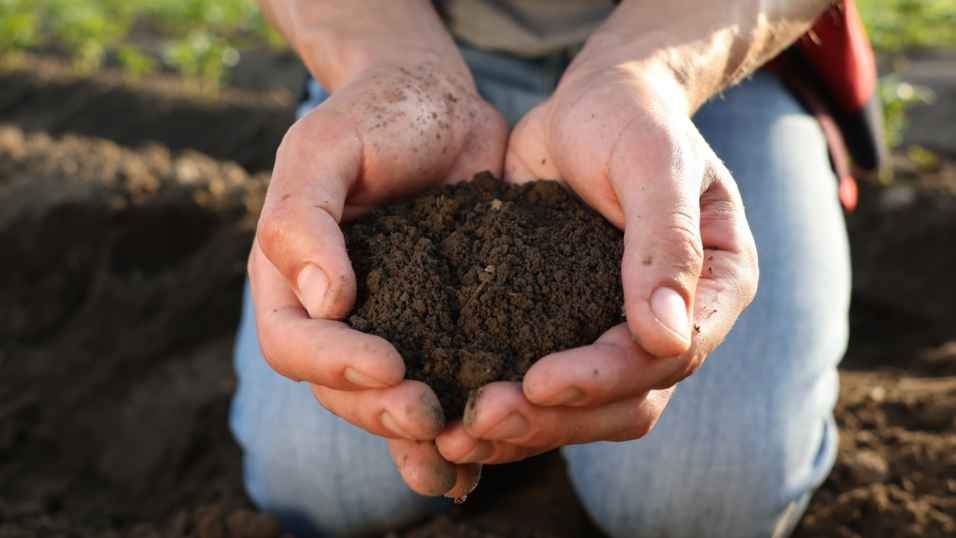
Soil Carbon Monitoring, Reporting and Verification (MRV)

Agricultural Carbon Farming Markets, Policies and Incentives
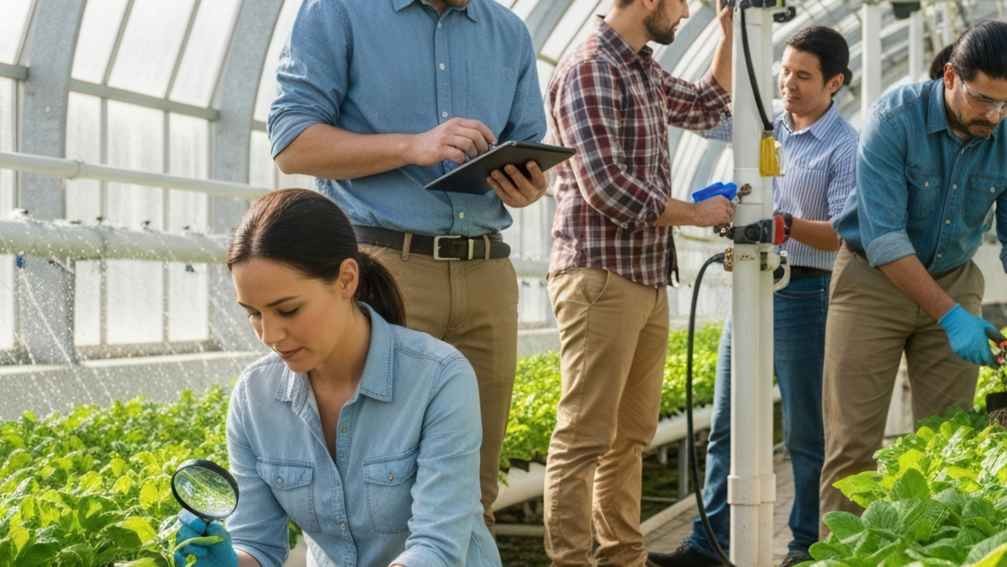
Carbon Farming Techniques


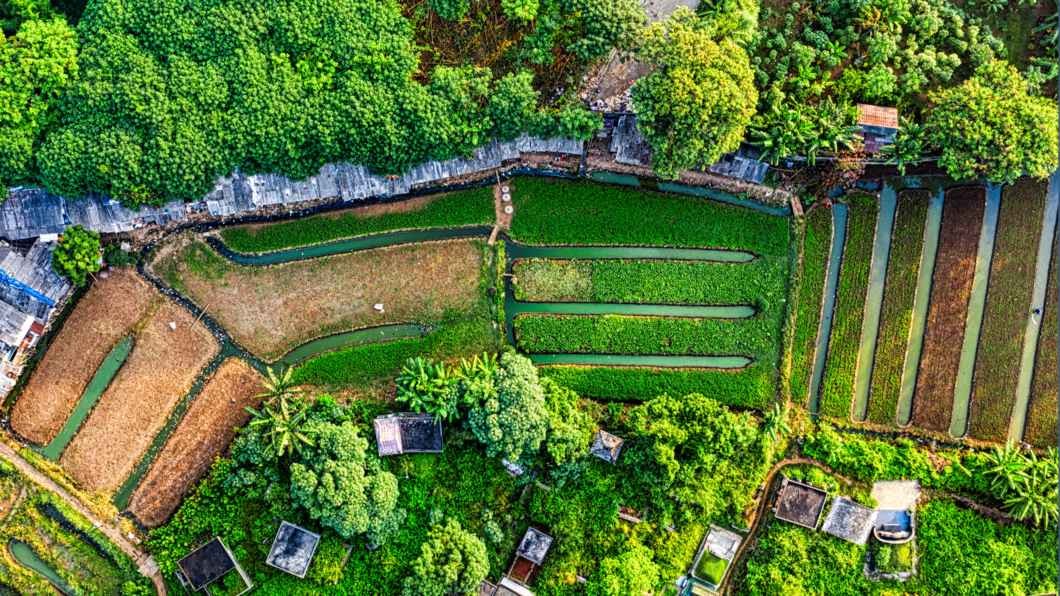
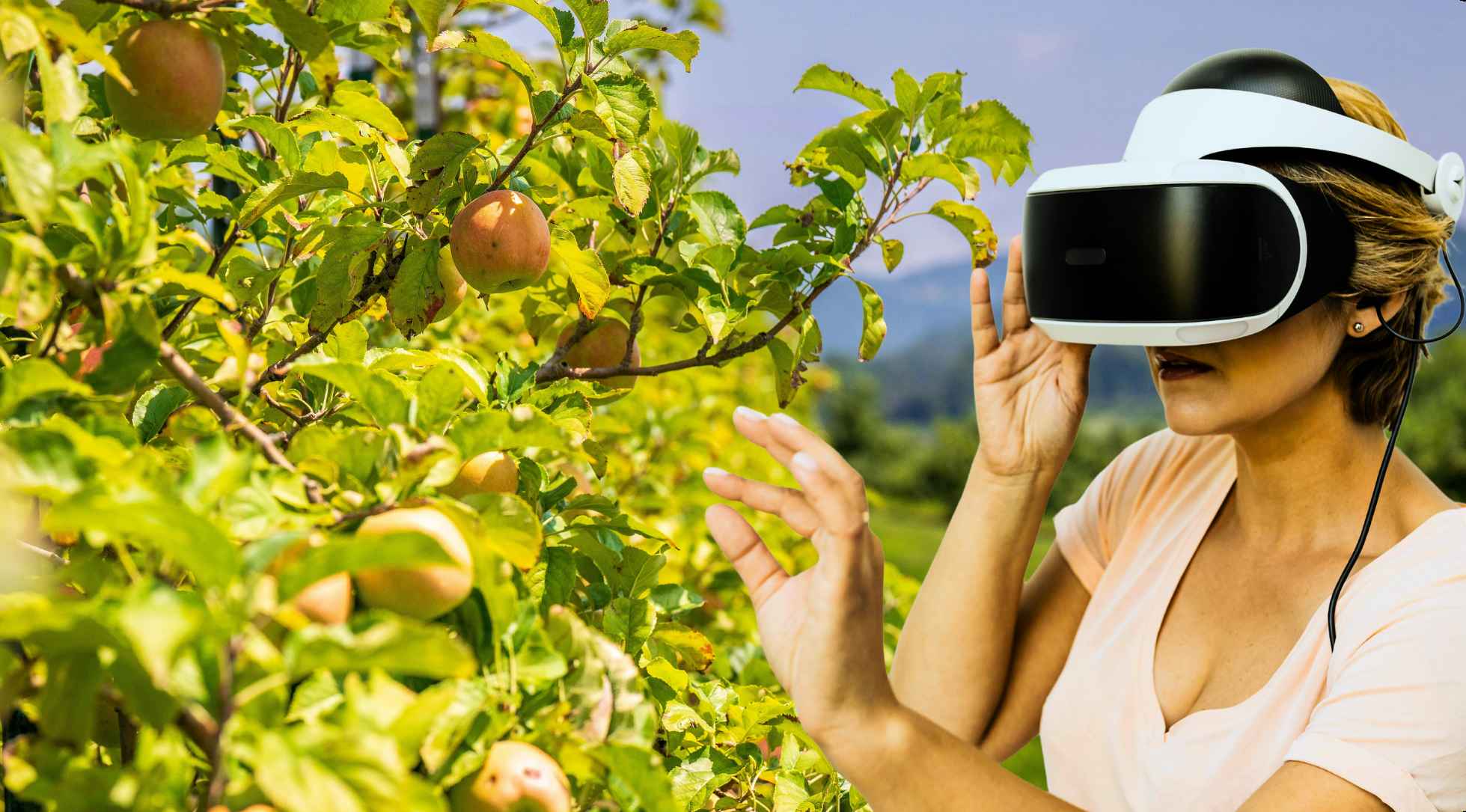
Virtual Reality Experience
The C-Farming VR experience provides an immersive learning environment where users can engage with realistic agricultural scenarios related to carbon farming practices. Through interactive simulations, participants can explore decision-making processes, discover the impact of farming technologies, and enhance their understanding of sustainable agriculture in a practical, experience-based manner.
View MorePartners